Shandong Fengtu IOT Technology Co., Ltd
Sales Manager:Ms. Emily Wang
Cel,Whatsapp,Wechat:+86 15898932201
Email:info@fengtutec.com
Add:No. 155 Optoelectronic Industry Accelerator, Gaoxin District, Weifang, Shandong, China


Sales Manager:Ms. Emily Wang
Cel,Whatsapp,Wechat:+86 15898932201
Email:info@fengtutec.com
Add:No. 155 Optoelectronic Industry Accelerator, Gaoxin District, Weifang, Shandong, China
time:2025-02-06 11:10:46 source:Weather Station viewed:654 time
Agricultural production is closely linked to the natural environment, which makes it relatively vulnerable to meteorological disasters. Firstly, the growth cycle of crops is long. From sowing to harvesting, they are exposed to the natural environment for a long time, and any encounter with meteorological disasters during the growth stages may cause serious losses. For example, if heavy rain occurs during the flowering period, it may affect pollination and lead to crop yield reduction. Secondly, agricultural production relies on a large amount of land resources, which are widely distributed and difficult to protect centrally. When drought occurs, for instance, it is difficult to fully compensate for the lack of water in large - scale farmland through artificial irrigation. Moreover, many agricultural infrastructure facilities are relatively weak, especially in some remote areas. There is a shortage of drainage, irrigation and other facilities, and there is a lack of effective response capabilities in the face of disasters such as floods and droughts.
The Role of Agricultural Weather Stations
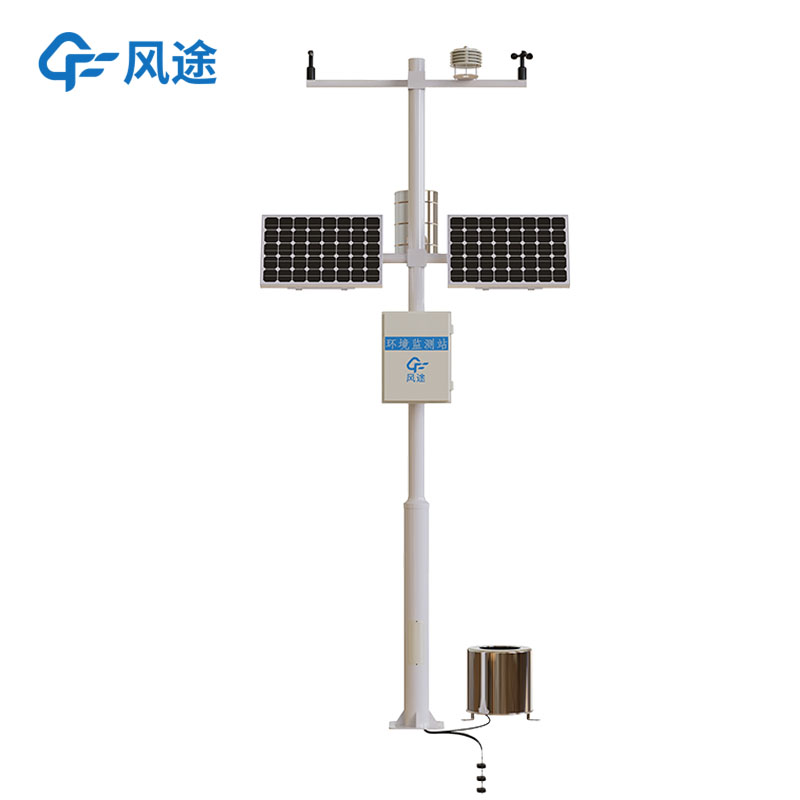
By monitoring meteorological data in real - time, Agricultural Weather Stations provide a scientific basis for agricultural production and help farmers better cope with meteorological disasters. It can monitor key meteorological parameters such as temperature, humidity, wind speed, precipitation, and light intensity in real - time. For example, when a low - temperature frost warning is monitored, farmers can cover the crops in advance or take heating measures. It can also issue early warnings for disasters such as droughts, floods, and typhoons. When a heavy rainfall warning is monitored, farmers can dredge the drainage system in advance to avoid waterlogging in farmland and gain response time. At the same time, based on the meteorological data, farmers can adjust agricultural activities such as irrigation, fertilization, and pest control. For example, when it is hot and dry, the irrigation frequency can be increased to prevent crops from lacking water, so as to optimize agricultural production management. With the help of accurate meteorological data, farmers can avoid disaster risks and reduce crop losses. For example, when a hail warning is monitored, the crops can be covered in advance or protective measures can be taken.
The monitoring stations can also provide disaster loss assessment data, support agricultural insurance claims settlement and policy - making. Their data can be used as the basis for disaster loss assessment, helping farmers obtain insurance compensation. In the current era of technology - driven agricultural development, Agricultural Weather Stations, combined with Internet of Things and big data technologies, promote the development of precision agriculture and smart agriculture. After their data is accessed into the smart agriculture platform, the irrigation and fertilization systems can be automatically adjusted to achieve intelligent management of agricultural production.
Soil moisture monitoring system can continuously monitor soil moisture for a long time. Users can install soil moisture sensors at different locations and depths according to their needs. The system also supports the addition of other sensors for measuring soil temperature, conductivity, pH, as well...
A tunnel is a passage structure built underground or inside a mountain, mainly used to connect two places and cross obstacles. It is commonly found in highway, railway, water conservancy and other projects. It provides a convenient path for transportation and logistics, especially in areas with comp...
In agricultural production, pest infestations restrict crop yield and quality. Traditional manual inspection-based monitoring is labor-intensive and time-consuming, with limitations such as a narrow coverage range and delayed data, making it difficult to provide accurate support for pest prevention...
In traditional agriculture, farmers have long relied on the labor mode of "facing the loess and having their backs to the sky", understanding various situations in the fields through a hands-on approach. This way not only consumes a lot of physical strength and time but also has many limit...


 Skype
Skype
 whatsapp
 mail
mail