Shandong Fengtu IOT Technology Co., Ltd
Sales Manager:Ms. Emily Wang
Cel,Whatsapp,Wechat:+86 15898932201
Email:info@fengtutec.com
Add:No. 155 Optoelectronic Industry Accelerator, Gaoxin District, Weifang, Shandong, China


Sales Manager:Ms. Emily Wang
Cel,Whatsapp,Wechat:+86 15898932201
Email:info@fengtutec.com
Add:No. 155 Optoelectronic Industry Accelerator, Gaoxin District, Weifang, Shandong, China
time:2026-05-28 10:32:53 source:Weather Station viewed:12 time
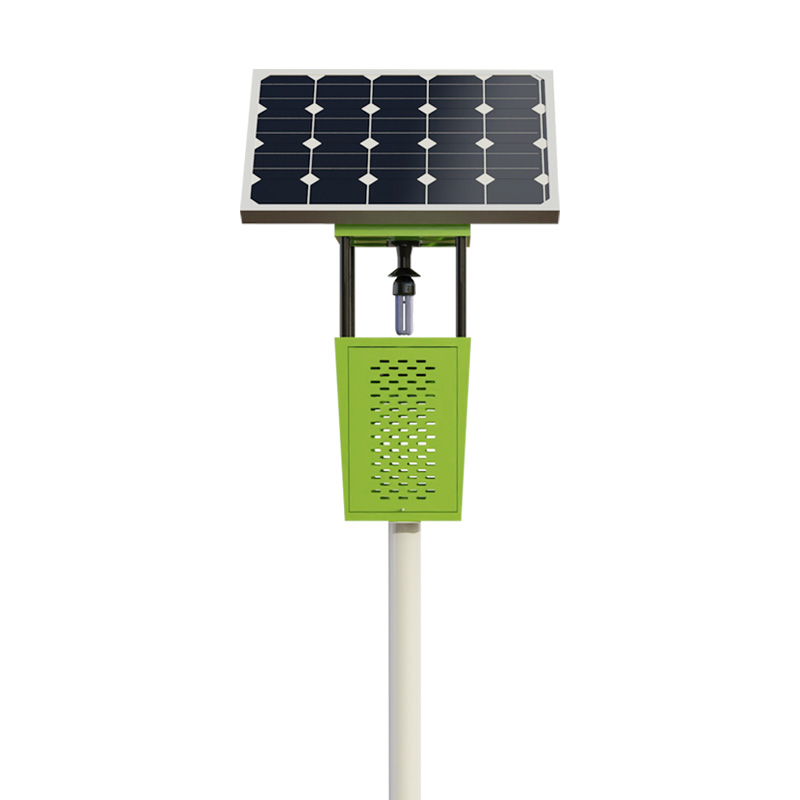
This lamp uses a light source with wavelengths from 320nm to 680nm to attract pests. A fan then draws the insects into the collection box using negative pressure airflow, causing them to dry and dehydrate. It is solar-powered and operates normally even in rainy weather. A single lamp can cover 15 to 50 acres and is suitable for green pest control in agriculture and forestry.
The suction-type insecticidal lamp is a physical pest control device powered by solar energy. It consists of four parts: a light source, a fan system, a collection component, and a support structure. The device uses a specific wavelength LED light source, ranging from 320nm to 680nm. It automatically turns on at night, attracting pests to the lamp based on their phototaxis. The fan then rotates, generating negative pressure airflow that draws the insects into the collector for drying and dehydration. This device is not affected by insect size and can simultaneously attract and kill various phototactic pests, including Lepidoptera and Coleoptera, achieving effective control of insects of all sizes. Compared to traditional electric shock insecticidal lamps, the wind-suction type solves the problem of low probability of small pests getting caught in the net by using airflow adsorption, achieving an insect suction efficiency of over 95%. The device integrates a turbine fan at the bottom, with wind speeds reaching 4.0 to 8 meters per second or higher. Combined with the escape-proof insect collection chamber, it ensures that pests cannot escape once inside.
In terms of power supply and control, the wind-suction insecticidal lamp is powered by a solar panel. During the day, it converts sunlight into electricity stored in a lithium battery, automatically providing power to the lamp at night. No external mains power is required, making it suitable for deployment in areas without electricity, such as farmland, forests, and orchards. The solar panel power is typically configured to 40W to 50W, and the lithium battery capacity is 16Ah to 24Ah, allowing for 2 to 3 days of continuous cloudy or rainy weather for normal operation. The overall power consumption is controlled below 20W. The device is equipped with an intelligent controller; in light control mode, the lamp automatically turns off during the day and on at night. Time control mode allows users to set working periods, automatically turning on the lamp within the set period and turning it off outside the set period. The equipment boasts an IP55 or higher protection rating, with waterproof design for key components ensuring normal operation even in rainy weather. It automatically resumes operation after the rain stops, overcoming the drawback of traditional insecticidal lamps that interrupt operation due to rain.
In terms of deployment, the effective control radius of a single wind-suction insecticidal lamp is no less than 120 meters in farmland and no less than 80 meters in forest areas, covering an area of 15 to 50 acres. The equipment is widely used for green pest control in high-standard farmland, orchards, tea gardens, vegetable greenhouses, as well as forestry, warehousing, and urban and rural environmental sanitation. The equipment features a simple installation structure, consisting of the lamp body and support frame. Its lightweight design facilitates on-site deployment, and the lamp pole height can be customized to meet specific needs. The insect collection box uses a removable mesh design for easy removal and cleaning of insect carcasses. Some models support IoT connectivity, allowing users to remotely monitor the equipment's operating status via a mobile app or web interface, obtain real-time information on the insect-attracting lamp and fan operation, and control the equipment remotely. Employing the principle of negative pressure airflow and solar self-powered design, this equipment achieves continuous and efficient pest control while avoiding chemical pesticide residues, and has become a standard supporting equipment in the construction of high-standard farmland and green prevention and control systems.
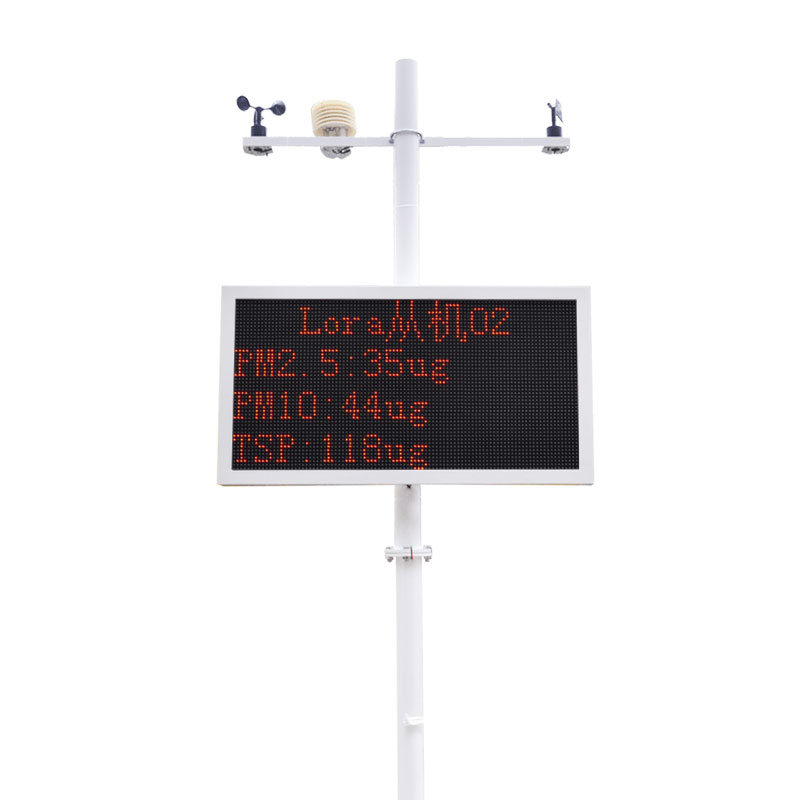
During the highway construction process, various types of pollution will be generated, among which PM pollution is particularly prominent. In the operations of earthwork filling and excavation, transportation and mixing of road construction materials, asphalt heating and mixing, paving during the pa...
Why choose a Portable Weather Station?First, it is small in size and light in weight, making it easy to carry to different locations. Whether for scientific research in remote mountainous areas, agricultural monitoring in vast farmlands, or rescue sites after natural disasters, a Portable Weather St...
Emergency meteorological monitoring refers to the rapid and accurate monitoring and analysis of relevant meteorological parameters during sudden meteorological disasters or emergency events. Its purpose is to provide timely and reliable meteorological evidence for emergency decision-making, so as to...
A Portable Weather Station is a highly integrated, easy-to-carry, and rapidly deployable automated meteorological observation device. It can provide real-time, accurate local meteorological data in areas not covered by traditional fixed weather stations, serving as a "take-anywhere" mini w...


 Skype
Skype
 whatsapp
 mail
mail