Shandong Fengtu IOT Technology Co., Ltd
Sales Manager:Ms. Emily Wang
Cel,Whatsapp,Wechat:+86 15898932201
Email:info@fengtutec.com
Add:No. 155 Optoelectronic Industry Accelerator, Gaoxin District, Weifang, Shandong, China


Sales Manager:Ms. Emily Wang
Cel,Whatsapp,Wechat:+86 15898932201
Email:info@fengtutec.com
Add:No. 155 Optoelectronic Industry Accelerator, Gaoxin District, Weifang, Shandong, China
time:2025-11-17 10:37:25 source:Weather Station viewed:345 time
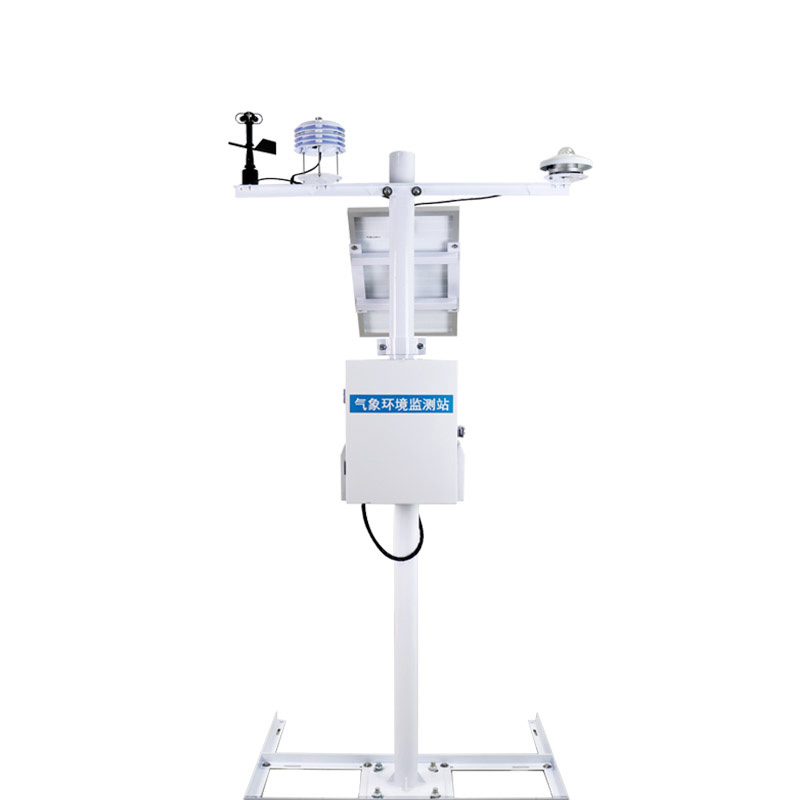
Environmental Monitoring Station captures the concentration of negative oxygen ions in the air around the clock, relying on IoT technology to provide data support for environmental health and ecological value.
The core mission of Environmental Monitoring Station is to monitor the concentration of negative oxygen ions in the air around the clock. Negative oxygen ions are known as "air vitamins," and their concentration is a key indicator for measuring air quality, especially environmental comfort and ecological health. This device acts like a tireless sentinel, continuously capturing these negatively charged ions 24 hours a day, transforming people's vague feelings about "fresh" air into precise, comparable scientific data.
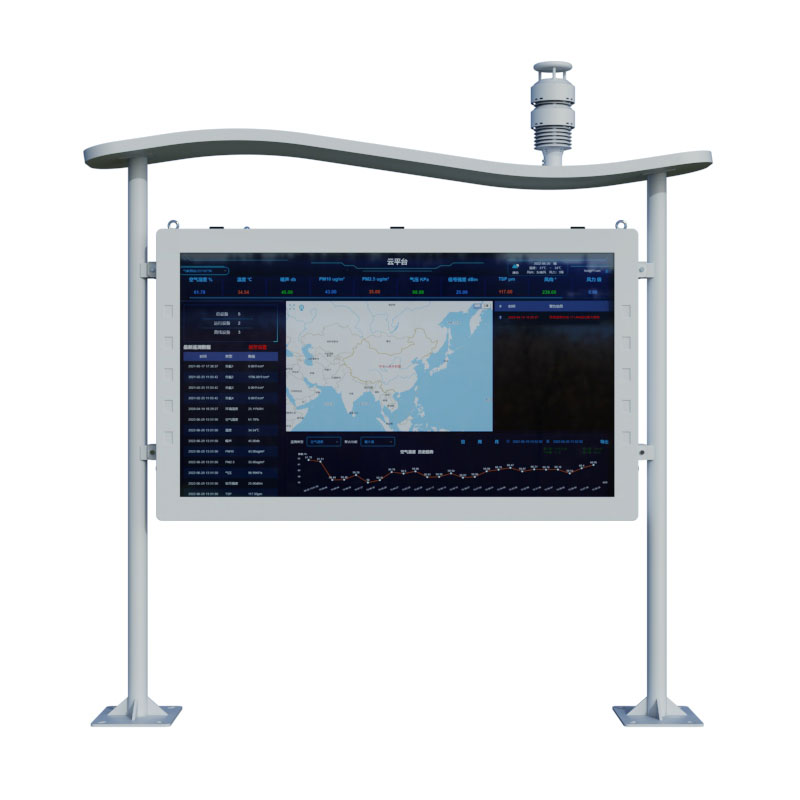
Its work goes far beyond a solitary endeavor. The modern Environmental Monitoring Station is a crucial component of an intelligent environmental monitoring system. Based on IoT communication technologies such as RS485, Ethernet, and 4G, and relying on an environmental monitoring cloud platform, it forms a multi-functional intelligent environmental monitoring and management system. The monitoring station is responsible for collecting raw data at the front end, and then transmitting the data in real time to the cloud via encrypted wireless networks such as 4G. In the background, the cloud platform handles the storage, in-depth analysis, and visualization of massive amounts of data. Administrators can remotely control the entire system from their computers or mobile phones, continuously monitoring air quality data and generating dynamic change curves and reports.
Furthermore, to provide a more comprehensive picture of the environment, these monitoring stations possess strong scalability. Monitoring items can be expanded according to user needs, such as air temperature, air humidity, PM2.5, PM10, and atmospheric pressure. This means that at a single station, we can not only know "how fresh the air is," but also simultaneously understand "what the weather is like" and "whether there is dust pollution," thus obtaining a comprehensive diagnosis of environmental quality.
The value of this system is shining in multiple fields. In forest parks, hot spring resorts, and ecotourism areas, real-time displayed negative oxygen ion data has become the most attractive "ecological calling card," intuitively showcasing their environmental advantages and enhancing tourism appeal. In the construction of livable cities and the planning of health and wellness bases, long-term monitoring data provides core evidence for assessing the environmental health of a region. For meteorological and environmental research institutions, this continuous, long-term observation data is an indispensable and valuable resource for studying forest ecosystem functions and assessing the impacts of climate change.
In short, Environmental Monitoring Station is more like a meticulous environmental translator. It translates the silent language of nature—fresh air—into data that humans can understand. In today's world, where we increasingly value respiratory health and pursue a high-quality life, it is no longer just a cold instrument, but a technological bridge connecting the natural ecosystem and human well-being, silently protecting every breath of fresh air we depend on for survival.
Atmospheric visibility is an important indicator in meteorological observations, and there are diverse methods for its measurement. The traditional visual estimation method is rather straightforward. It relies on observers to visually observe the target object and determine the maximum distance at w...
The Small automatic weather station can collect meteorological data in real time, which is crucial for meteorological research and disaster prevention. Now, let's introduce its installation method to you.Preparation before InstallationFirst of all, select a suitable site. Choose an open and flat...
The Atmospheric Visibility Sensor launched by Fengtu has extensive measurement capabilities. It can select different measurement distances of 10 kilometers, 50 kilometers or 80 kilometers according to user requirements, and also provides customized services.This instrument adopts infrared LED light...
Handheld Weather Stations need continuous upgrades to better meet diverse meteorological monitoring needs. The FT-SQ6+ has been upgraded in multiple aspects compared to its predecessor, the FT-SQ5.First, it offers a richer set of measurement parameters. The FT-SQ6+ adds measurements of average wind...


 Skype
Skype
 whatsapp
 mail
mail