Shandong Fengtu IOT Technology Co., Ltd
Sales Manager:Ms. Emily Wang
Cel,Whatsapp,Wechat:+86 15898932201
Email:info@fengtutec.com
Add:No. 155 Optoelectronic Industry Accelerator, Gaoxin District, Weifang, Shandong, China


Sales Manager:Ms. Emily Wang
Cel,Whatsapp,Wechat:+86 15898932201
Email:info@fengtutec.com
Add:No. 155 Optoelectronic Industry Accelerator, Gaoxin District, Weifang, Shandong, China
time:2025-12-03 10:03:37 source:Weather Station viewed:367 time
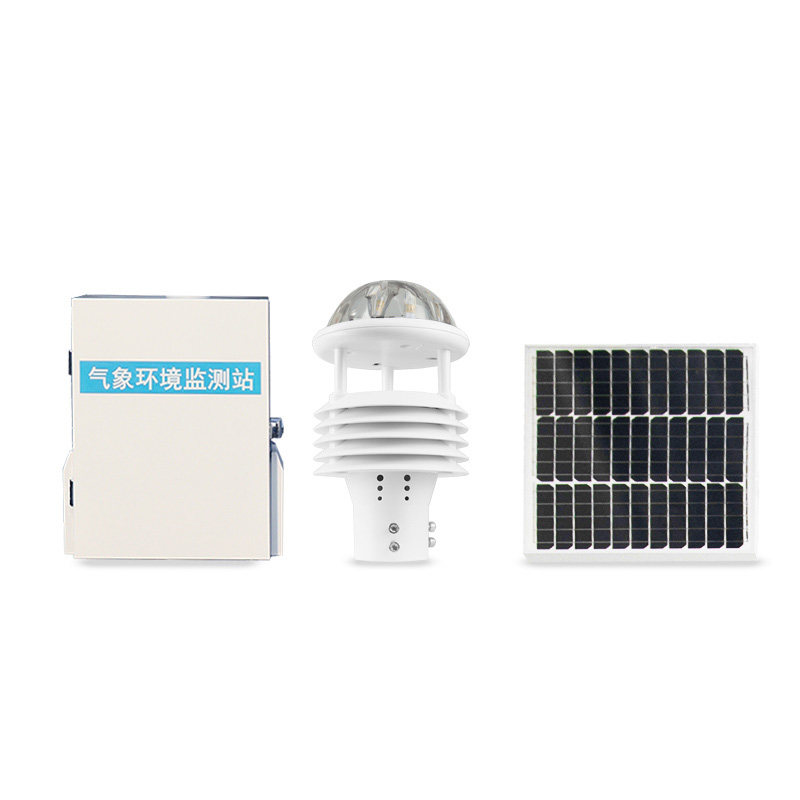
Power transmission line micrometeorological online monitoring system is an industrial-grade multi-element monitoring system designed for the localized meteorological environment of transmission line corridors. It monitors parameters such as wind speed, wind direction, temperature, humidity, atmospheric pressure, and rainfall in real time, transmitting data wirelessly and providing over-limit warnings to support meteorological disaster prevention for high-voltage transmission lines.
Power transmission line micrometeorological online monitoring system is a multi-element system specifically designed for monitoring the meteorological environment of special sections of high-voltage transmission lines. Its development stems from the urgent need for safe operation of the power grid. Transmission lines often traverse complex geographical environments such as valleys, mountain peaks, and riverbanks, where localized microclimates significantly different from the surrounding areas can form, such as strong gusts of wind and freezing rain, posing a huge challenge to the lines. Traditional meteorological stations cannot accurately reflect the actual meteorological conditions of these subtle terrains, leaving the lines vulnerable to meteorological disaster risks such as wind deflection, conductor galloping, and icing. This system is designed to address this monitoring blind spot and achieve precise monitoring of the microclimate at the tower installation points.
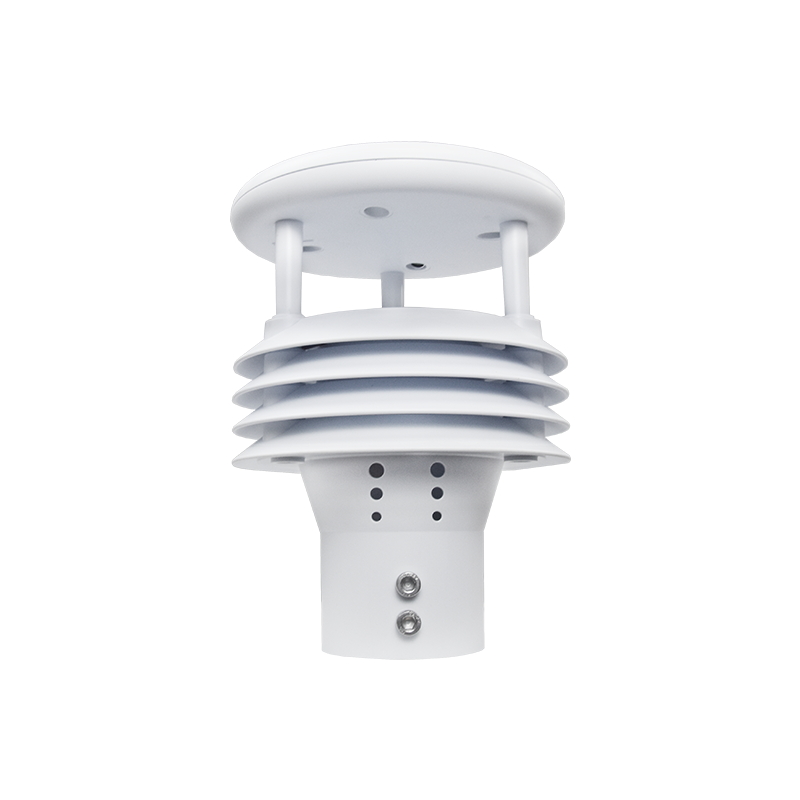
The system can monitor multiple key meteorological parameters in real time. Core monitoring elements include wind speed, wind direction, air temperature, relative humidity, atmospheric pressure, and rainfall. Some systems can also monitor elements such as solar radiation. This data collectively forms the basis for assessing the impact of local meteorological conditions on transmission lines. For example, wind speed and direction data are directly used to analyze the risk of wind deflection faults; temperature and humidity data are important inputs for predicting line icing.
The system's hardware typically consists of a sensor array installed on the transmission tower, a data acquisition and control terminal, a communication module, and a power supply unit. Sensors must have high accuracy and reliability, such as wind speed measurement accuracy of ±0.2 m/s (at low speeds) and temperature measurement accuracy of ±0.5℃. To adapt to harsh outdoor environments, the equipment uses a metal protective casing, with an IP65 or higher protection rating, multi-layer electromagnetic shielding, and lightning protection design. Power supply usually adopts a solar panel and battery combination to ensure continuous operation for more than 30 days even without sunlight.
The system transmits data through a wireless communication network. Earlier systems mostly used GPRS and 3G mobile networks, but currently, 4G, 5G, and LoRa communication technologies are also widely used. Monitoring data is transmitted in real time to the backend monitoring center or cloud platform.
The core value of this system lies in its early warning function. On the monitoring platform, operation and maintenance personnel can set safety thresholds for different meteorological parameters. Once the monitoring data is abnormal, such as wind speed exceeding the design limit or temperature and humidity reaching conditions conducive to ice formation, the system will automatically trigger a multi-level early warning mechanism. Warning information can be pushed through the monitoring platform interface, SMS, and other methods, prompting management personnel to take inspection or preventive measures on the corresponding tower sections. This achieves a shift from "post-event remediation" to "pre-event early warning."
This system has been widely and extensively applied in the power industry. Companies such as State Grid have deployed such systems on multiple transmission lines. For example, State Grid Shanxi Electric Power deployed 186 micro-meteorological observation devices in mountainous and heavy ice-prone areas in 2025 to improve monitoring coverage and early warning capabilities. Shandong, Gansu, and other regions have also installed micro-meteorological monitoring devices on transmission line towers in areas with complex climates. The continuous historical data generated by these systems not only serves daily operation and maintenance but also provides valuable meteorological reference data for the design of new lines and the renovation of existing lines.
In summary, Power transmission line micrometeorological online monitoring system provides crucial technical support for preventing and reducing meteorological disasters such as wind deflection, conductor galloping, and ice formation by accurately sensing the local meteorological environment of transmission lines, making it an important infrastructure for ensuring the safe and stable operation of the power grid.
Solar-powered insecticidal lamps are physical pest control devices that utilize the phototaxis, wave attraction, color attraction, and other behavioral characteristics of insects, powered by solar energy. The device consists of a solar panel, controller, battery, and insecticidal lamps. Combin...
In maritime navigation, poor visibility is an "invisible killer" threatening ship safety. When weather conditions such as dense fog, heavy rain, or sand and dust occur, the visibility distance shortens sharply. Ships not only struggle to observe nearby landmarks, with positioning accuracy...
When driving in a tunnel, visibility monitoring is extremely crucial. The interior of a tunnel is relatively enclosed with limited air exchange and is prone to being affected by various factors that can reduce visibility. Such situations as bad weather, the accumulation of vehicle exhaust fumes, and...
The safe flood - season operation of reservoirs has always played a crucial role in China's flood prevention and control work, and it is also extremely challenging. Small and medium - sized reservoirs have become the weak links in the entire flood - prevention system. At present, most of these s...


 Skype
Skype
 whatsapp
 mail
mail