Shandong Fengtu IOT Technology Co., Ltd
Sales Manager:Ms. Emily Wang
Cel,Whatsapp,Wechat:+86 15898932201
Email:info@fengtutec.com
Add:No. 155 Optoelectronic Industry Accelerator, Gaoxin District, Weifang, Shandong, China


Sales Manager:Ms. Emily Wang
Cel,Whatsapp,Wechat:+86 15898932201
Email:info@fengtutec.com
Add:No. 155 Optoelectronic Industry Accelerator, Gaoxin District, Weifang, Shandong, China
time:2026-02-24 11:17:53 source:Weather Station viewed:189 time
Lightning monitor is a high-precision lightning monitoring and early warning device that accurately captures lightning activity by monitoring changes in the atmospheric electric field in real time, providing information such as the time, location, and intensity of lightning strikes. This device is widely used in meteorological observation, air transport, power facilities, and outdoor operations, providing reliable data support for lightning disaster prevention.
Lightning activity is a common severe convective weather phenomenon in nature. Its suddenness and high energy characteristics pose a serious threat to human activities and infrastructure. Lightning monitor, as a technical device specifically designed for real-time monitoring of lightning activity, helps relevant personnel to promptly understand the time, location, and intensity level of lightning strikes, buying valuable time for emergency response and safety protection.
The working principle of Lightning monitor is mainly based on two technical approaches: atmospheric electric field change monitoring and electromagnetic wave signal detection. Electric field change monitoring sensors measure the ground-level atmospheric electric field strength in real time using a high-sensitivity electric field meter. When thunderstorm clouds form and accumulate charge, the ground electric field undergoes significant changes. The equipment analyzes the degree of electric field distortion and the rate of change to determine the lightning risk level. Electromagnetic wave detection sensors receive broadband electromagnetic radiation signals generated during lightning discharge and use multi-station time difference positioning or magnetic direction finding techniques to calculate the geographical location of the lightning strike point.
The equipment typically consists of three parts: a sensor probe, a signal processing unit, and data analysis software. The sensor probe is installed in an open outdoor location to continuously collect electric field or electromagnetic wave data; the signal processing unit filters, amplifies, and converts the raw data from analog to digital; the data analysis software runs on a monitoring terminal, displaying monitoring results in real time and triggering alarms. Some high-end models have network connectivity, allowing multiple sensors to work together to form a regional lightning monitoring network.
In terms of application scenarios, Lightning monitor plays an irreplaceable role. Meteorological stations integrate lightning warnings into their ground-based observation systems, supplementing the monitoring blind spots of weather radar and satellite cloud images; airports and airlines use lightning warnings to adjust flight takeoffs and landings and ground operations to avoid lightning strikes; power departments arrange maintenance of transmission and transformation equipment and line inspections based on monitoring data; open-pit mines, construction sites, tourist attractions, and other units activate emergency plans based on warning signals, organizing personnel evacuation or suspending outdoor operations.
The selection of Lightning monitor requires consideration of multiple technical parameters. Detection distance determines the coverage area, ranging from several kilometers to hundreds of kilometers; positioning accuracy affects the targeted nature of the warning, typically ranging from hundreds to thousands of meters; response time concerns the timeliness of the warning, with equipment offering second-level response better meeting real-time protection needs. Furthermore, the equipment must possess good environmental adaptability, capable of stable operation under harsh conditions such as wind, rain, high temperatures, and low temperatures.
In practical applications, Lightning monitor is usually used in conjunction with other meteorological monitoring equipment. Combined with weather radar, it can determine the development and movement direction of thunderstorm clouds; in conjunction with atmospheric electric field meters, it can analyze changes in the charge structure during thunderstorm processes; and linked with automatic weather stations, it can obtain more comprehensive meteorological background data. Multi-source data fusion analysis helps improve the accuracy and lead time of lightning warnings.
With the development of microelectronics and signal processing technologies, Lightning monitor is evolving towards miniaturization, intelligence, and networking. Modern equipment consumes less power, supports solar power and wireless transmission, and is suitable for deployment in remote areas and on mobile platforms. The introduction of artificial intelligence algorithms enables the equipment to automatically identify lightning characteristics and eliminate interference signals, effectively reducing the false alarm rate.
The widespread application of Lightning monitor provides technical support for lightning disaster prevention in various industries. Real-time and accurate monitoring data helps users understand the patterns of lightning activity, scientifically plan production and operations, and minimize potential losses caused by lightning.
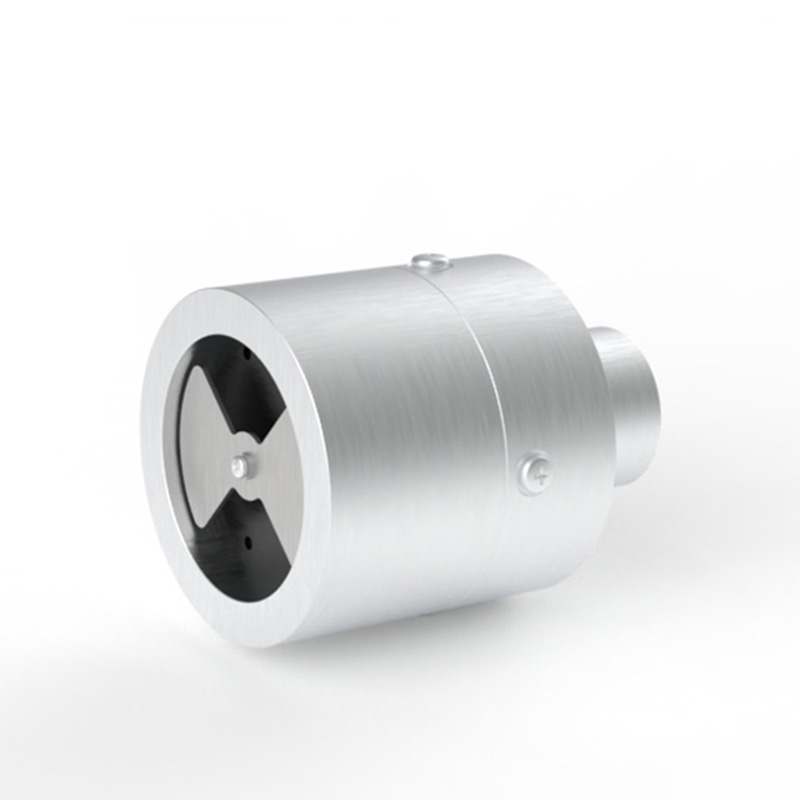
Rain, fog, and other harsh weather conditions are major "adversaries" threatening traffic safety. Low visibility in particular severely impairs drivers' vision, highly increasing the risk of traffic accidents and causing casualties and property losses. The emergence of Atmospheric Visi...
The visibility detector can quickly transmit accurate fog information to the command center by monitoring the changes in visibility on expressways in real time, providing crucial basis for the decision-making of the traffic management department and completely changing the extensive management mode...
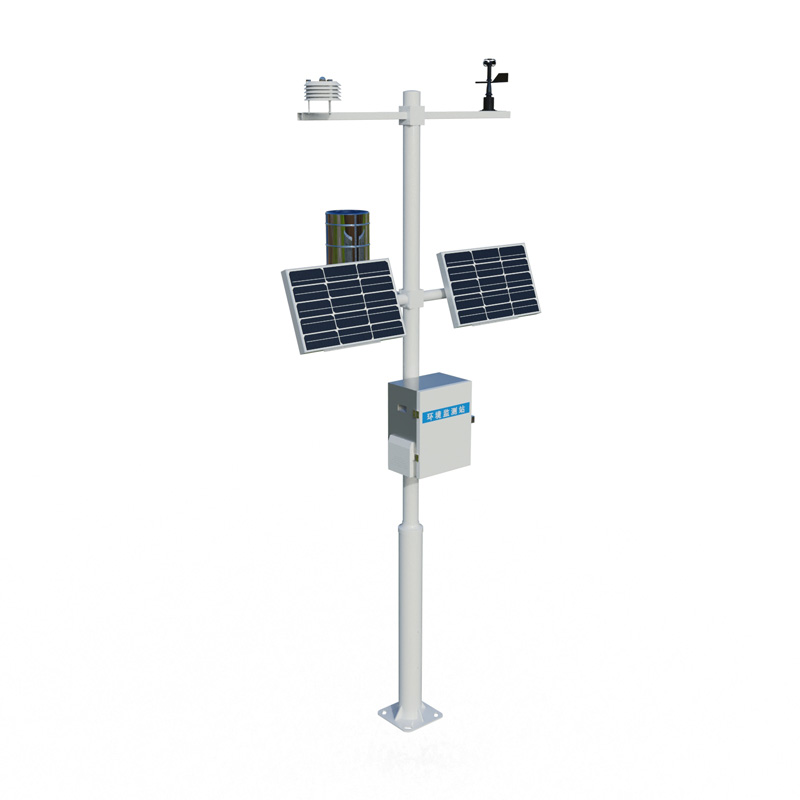
In the meteorological monitoring network, regional Weather Monitoring Equipment plays an irreplaceable role, and the word "regional" precisely represents its key characteristics and value.Regional Weather Monitoring Equipment has clear geographical limitations, which is quite different fro...
Portable Weather Station FT-BQX8. This is a high-precision automatic weather observation device produced by Fengtu Technology. It is highly integrated, low power consumption, and can be quickly installed, making it particularly suitable for field monitoring.It can simultaneously observe eight key en...


 Skype
Skype
 whatsapp
 mail
mail