Shandong Fengtu IOT Technology Co., Ltd
Sales Manager:Ms. Emily Wang
Cel,Whatsapp,Wechat:+86 15898932201
Email:info@fengtutec.com
Add:No. 155 Optoelectronic Industry Accelerator, Gaoxin District, Weifang, Shandong, China


Sales Manager:Ms. Emily Wang
Cel,Whatsapp,Wechat:+86 15898932201
Email:info@fengtutec.com
Add:No. 155 Optoelectronic Industry Accelerator, Gaoxin District, Weifang, Shandong, China
time:2025-07-17 09:30:53 source:Weather Station viewed:445 time
In the midsummer season, the scorching sun and persistent high temperatures pose significant challenges to agricultural production. In the field of characteristic aquaculture, precise meteorological services have become a "technological weapon" to ensure that farmers increase production and income. At a local aquaculture meteorological service pilot site, an intelligent meteorological monitoring network is providing round-the-clock accurate services for shrimp farmers.
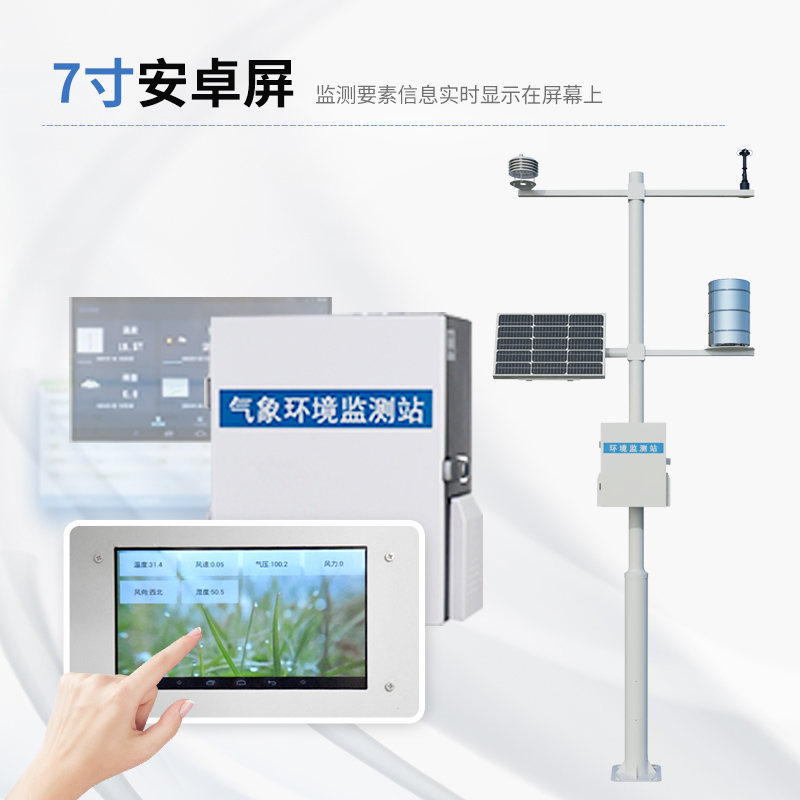
Near the shrimp ponds, a set of white automatic meteorological monitoring equipment stands quietly. On the adjacent LED display, meteorological data such as temperature, humidity, and air pressure, as well as water quality parameters like water pH value and dissolved oxygen content, are updated in real-time. Farmers only need to tap their mobile phones to keep track of all key indicators of the water in the shrimp ponds at any time, making aquaculture management easily accessible.
In high-temperature environments, the pH value of water tends to be high, and nitrite content is prone to exceeding standards, which poses a serious threat to the growth of shrimp larvae. Not long ago, the local meteorological bureau specially issued a special meteorological service report for characteristic aquaculture, warning of heavy rainfall in the next few days and reminding farmers to be alert to the potential dual impact of water quality deterioration on shrimp. A farmer who contracts 50 mu of shrimp ponds, with 1.4 million newly released shrimp larvae in a critical growth stage, was busy drying the ponds for disinfection, planting madder to improve water quality, and closely monitoring weather dynamics through his mobile phone.
"The meteorological service is so timely! When it will rain and how the water quality will change are clearly visible on the mobile phone. Preparing in advance can effectively prevent stress reactions in shrimp, making aquaculture more confident," he said with a smile.
In addition to setting up regional Meteorological Observation Stations in breeding bases to track environmental indicators such as air temperature, precipitation, and water temperature in real-time, the local meteorological department has also collaborated with aquaculture technical experts to customize meteorological impact forecasts and breeding guidance plans for different growth stages of shrimp. This "meteorology + experts" service model has helped farmers successfully withstand multiple extreme weather events.
Facing the current persistent high temperatures, aquaculture experts have emphasized the importance of disease prevention and control: "Iridovirus and Nodavirus are the main threats to current shrimp farming, especially Iridovirus, which is highly likely to break out on a large scale in high-temperature environments." Experts suggest that farmers strengthen pathogen screening. If Iridovirus is detected in shrimp ponds, it is necessary to enhance water aeration and daily management to minimize the risk of virus outbreaks.
Today, this meteorological data monitoring system has been promoted from the pilot area to more breeding areas, with the monitoring network continuously expanding. Meteorological stations collect data such as temperature, rainfall, and air pressure 24 hours a day. After professional analysis by the meteorological service platform, the data is transformed into clear and easy-to-understand operation guidelines on farmers' mobile phones. The traditional farming model that once "depended on the weather" is becoming more scientific and composed with the support of technological strength.
The integrated automatic rainfall monitoring station is an unattended rainfall monitoring equipment. It not only has the incomparable advantages of traditional rain gauges and manual observation instruments, but also plays a significant role in improving work efficiency and reducing human errors. Th...
The combination of carbon fiber support and portable design has brought about performance improvements for the Portable Meteorograph. In the field of outdoor meteorological monitoring, the stability, durability, and portability of equipment directly affect the accuracy of monitoring data and operati...
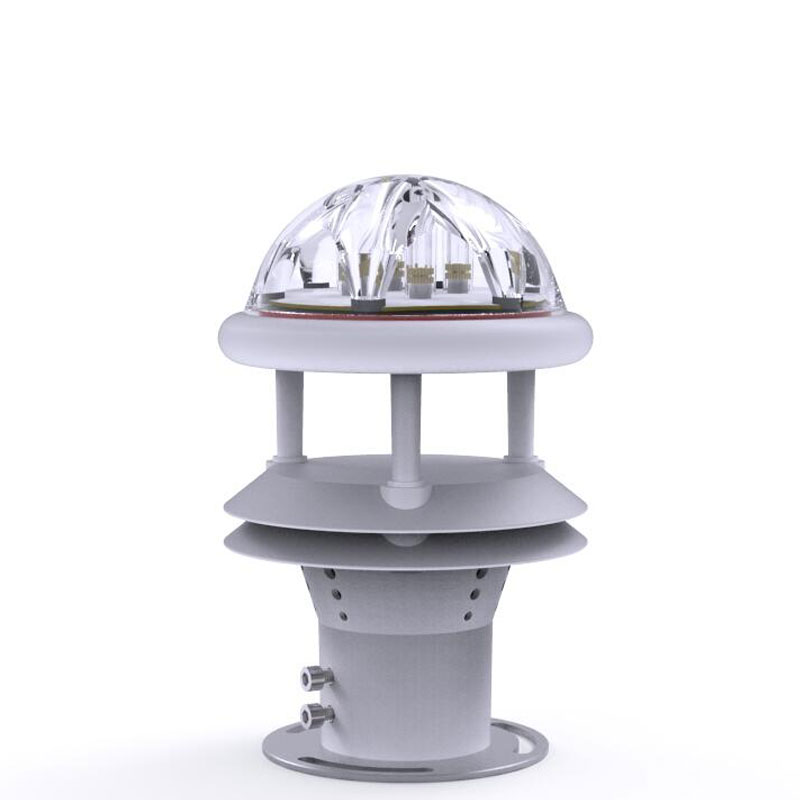
This highly integrated, low-power, and quickly installable automatic weather observation device can monitor meteorological elements such as wind speed, wind direction, temperature, humidity, air pressure, optical rainfall, PM2.5, PM10, CO, NO2, SO2, and O3 in real time. It is widely used in ag...
Agricultural Weather Stations are an important part of the construction of the demonstration base for smart agricultural meteorological services. The multi - element Agricultural Weather Stations standing in the fields can collect data on atmospheric temperature and humidity, soil moisture, and crop...


 Skype
Skype
 whatsapp
 mail
mail