Shandong Fengtu IOT Technology Co., Ltd
Sales Manager:Ms. Emily Wang
Cel,Whatsapp,Wechat:+86 15898932201
Email:info@fengtutec.com
Add:No. 155 Optoelectronic Industry Accelerator, Gaoxin District, Weifang, Shandong, China


Sales Manager:Ms. Emily Wang
Cel,Whatsapp,Wechat:+86 15898932201
Email:info@fengtutec.com
Add:No. 155 Optoelectronic Industry Accelerator, Gaoxin District, Weifang, Shandong, China
time:2025-08-27 09:23:55 source:Weather Station viewed:392 time
Visibility is a key meteorological element, and it is used in meteorological observation work across multiple fields such as traffic operation, shipping scheduling, and low-altitude flight control. Accurately obtaining visibility data provides an important basis for various production operations and public safety guarantees, and directly affects the operational efficiency and safety level of relevant fields. Therefore, it is crucial to measure visibility accurately and in real time.
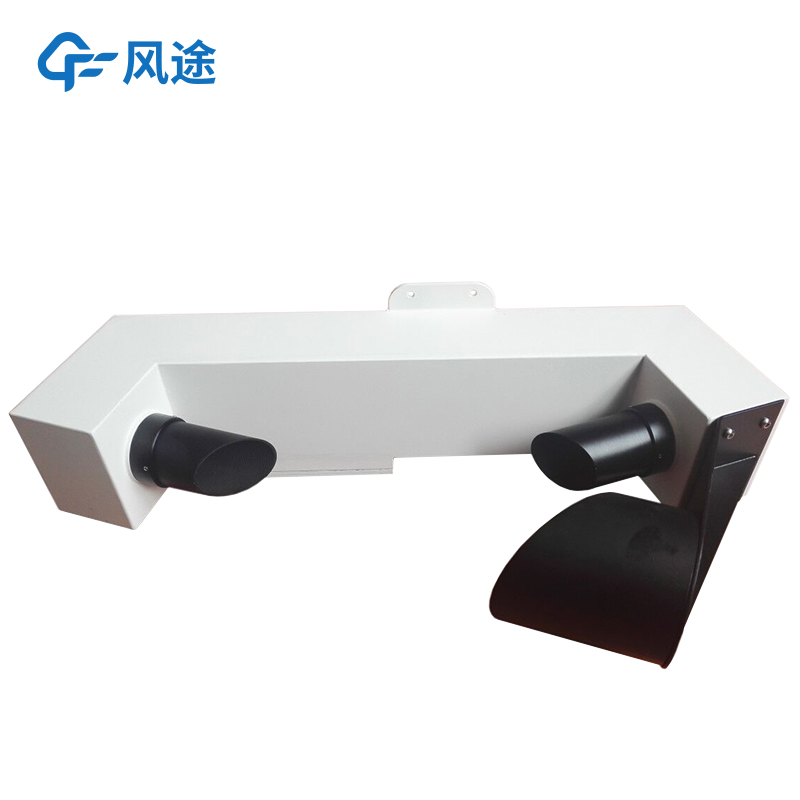
A Visibility Detector is a professional device specifically designed for atmospheric visibility measurement, which conducts measurements based on the forward scattering principle. By capturing the forward scattering signals of particles in the atmosphere on light of a specific wavelength, and after optical sensing and data processing, the specific value of atmospheric visibility can be obtained. Compared with traditional measurement equipment, it has significantly improved timeliness and accuracy in data collection, and can quickly respond to dynamic changes in visibility, providing reliable data support for subsequent work.
In addition to measuring atmospheric visibility, the Visibility Detector can also identify weather phenomena and monitor precipitation. By analyzing the characteristic differences of single-particle scattering signals, it can accurately identify weather conditions such as fog, haze, light rain, and moderate rain; at the same time, based on the intensity changes and duration of scattering signals, it can conduct quantitative monitoring of precipitation, further expanding its application scope in meteorological observation.
It is an important equipment for the daily observation of meteorological stations, providing basic data for weather forecasting. It is also installed in places such as expressways, airports, and ports to monitor changes in visibility in real time. When visibility is lower than the safety threshold, it can promptly trigger an early warning, reminding relevant departments to take measures such as traffic control and flight adjustments.
The Agricultural Microclimate Monitoring Station integrates a comprehensive array of sensors—including those for wind speed, wind direction, air temperature, humidity, atmospheric pressure, solar radiation, rainfall, evaporation, and soil temperature and moisture. Powered by solar energy and utiliz...
In agricultural production, pest infestations restrict crop yield and quality. Traditional manual inspection-based monitoring is labor-intensive and time-consuming, with limitations such as a narrow coverage range and delayed data, making it difficult to provide accurate support for pest prevention...
Traditional fixed visibility monitoring equipment is limited by factors such as installation location and power supply conditions, making it difficult to meet flexible and variable monitoring needs. The emergence of the Portable Visibility Detector has effectively solved this problem.Low visibility...
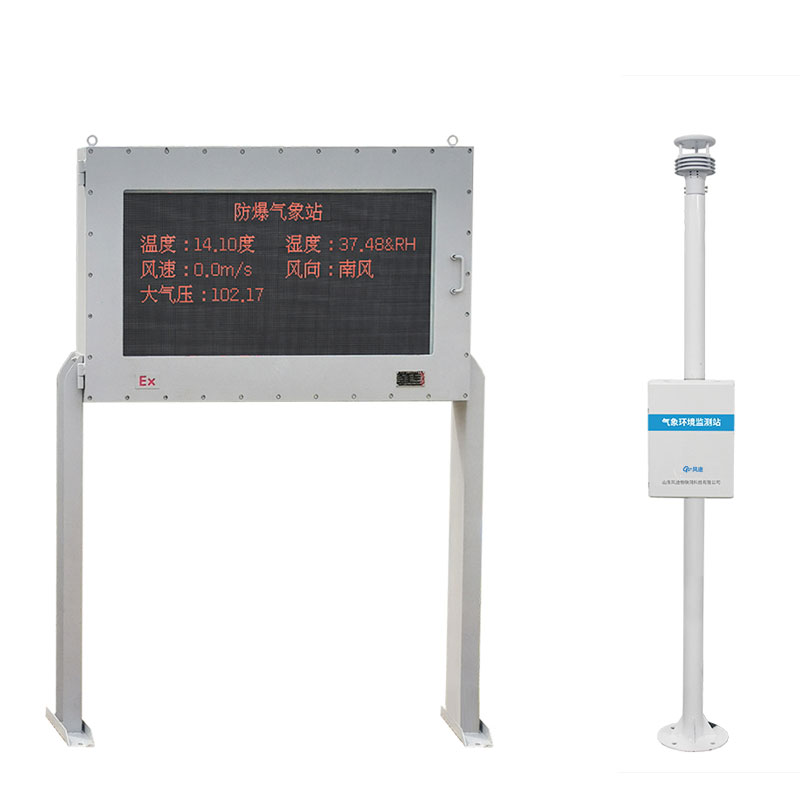
In modern society, the Weather Station Monitoring System is of great importance. It is a comprehensive system integrating multiple technologies and devices, capable of real-time and accurate monitoring and analysis of various meteorological elements and related environmental parameters in the atmosp...


 Skype
Skype
 whatsapp
 mail
mail