Shandong Fengtu IOT Technology Co., Ltd
Sales Manager:Ms. Emily Wang
Cel,Whatsapp,Wechat:+86 15898932201
Email:info@fengtutec.com
Add:No. 155 Optoelectronic Industry Accelerator, Gaoxin District, Weifang, Shandong, China


Sales Manager:Ms. Emily Wang
Cel,Whatsapp,Wechat:+86 15898932201
Email:info@fengtutec.com
Add:No. 155 Optoelectronic Industry Accelerator, Gaoxin District, Weifang, Shandong, China
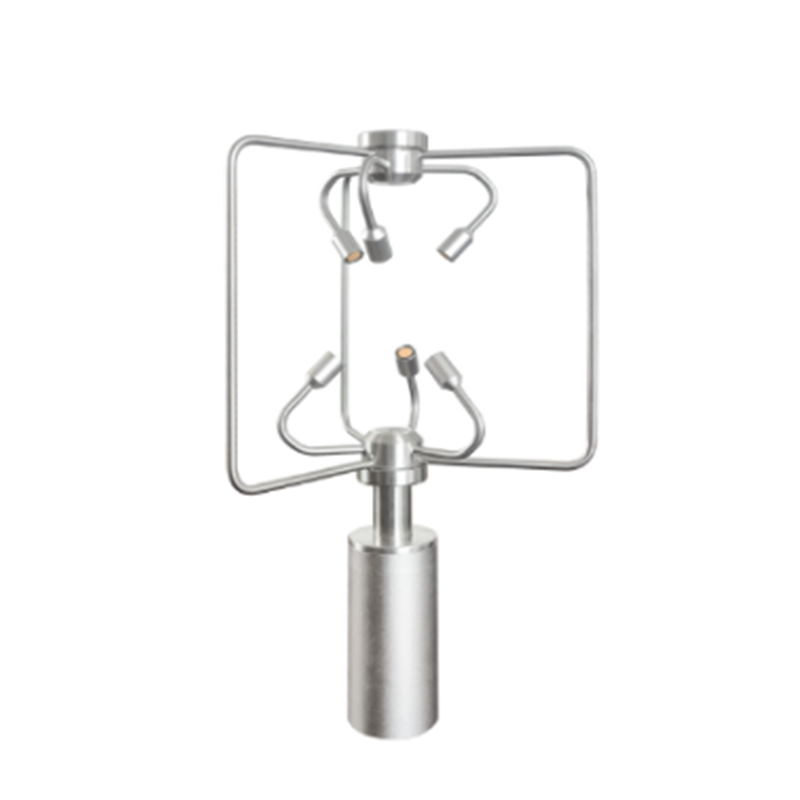
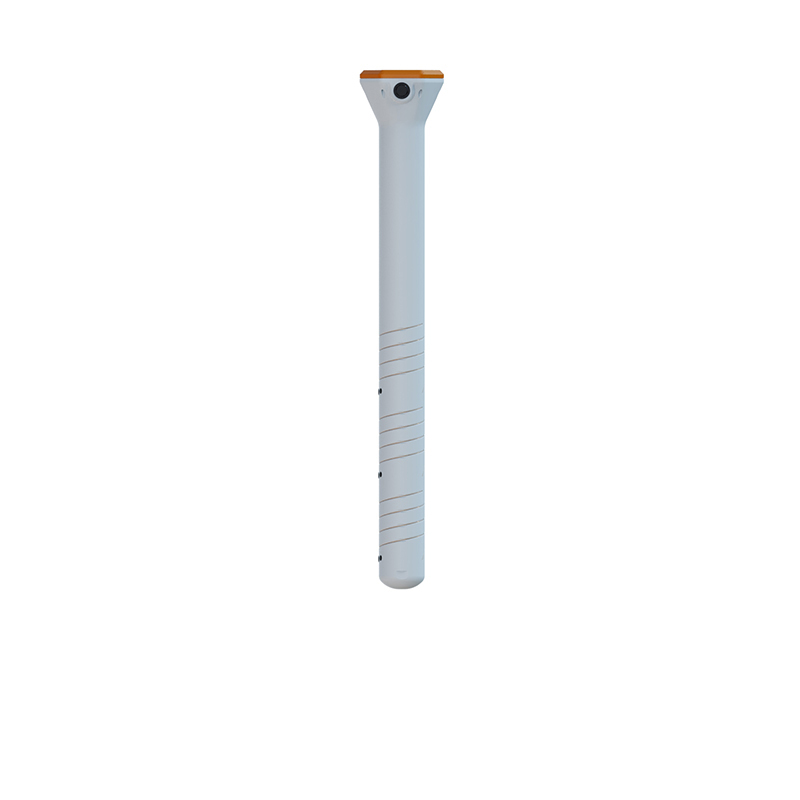
Model:FT-SWF2
Brand:fengtu
1.3D Anemometer Product Overview
The three-dimensional ultrasonic anemometer is a device that uses ultrasonic waves to measure gas flow rate. It calculates the gas flow rate by emitting ultrasonic waves into the gas medium and measuring the propagation speed of the ultrasonic waves in the medium. This instrument has the characteristics of non-contact, high precision, and real-time performance, so it has been widely used in the field of meteorological observation.
Specifically, the working principle of the three-dimensional ultrasonic anemometer is based on the difference in the propagation speed of ultrasonic waves in static and moving media. When ultrasonic waves propagate in a static medium, their speed is relatively stable; when propagating in a moving medium, the propagation speed of ultrasonic waves will be affected due to the high-speed flow of the medium. By measuring the propagation speed of ultrasonic waves in the medium, we can calculate the flow rate of the gas.
The shell of the three-dimensional ultrasonic anemometer is made of stainless steel, which can meet the needs of more severe measurement environments and has the characteristics of high measurement accuracy, fast response speed, strong reliability, small size, light weight, etc. It can be widely used in wind speed measurement places in meteorology, environmental protection, energy and other fields.
2. 3D Anemometer Application Scope
Three-dimensional ultrasonic anemometers are widely used in air quality monitoring, meteorological disaster warning, building environment monitoring and wind energy resource assessment. By accurately measuring wind speed and direction, they provide important data support for scientific research, environmental management and engineering decision-making in related fields.
3. 3D Anemometer Technical Parameters
| Wind speed | Measuring range | 0-70m/s |
| Accuracy | ±3% | |
| Resolution | 0.1m/s | |
| wind direction | Measuring range | 0-360° |
| Accuracy | ±2° | |
| Resolution | 0.1° | |
| Measurement frequency | 1HZ | |
| Baud rate | 9600bps | |
| Operating Voltage | 12V | |
| Protection level | IP65 | |
4. 3D Anemometer Structural Features
Since it was put on the market, this product has won the praise of users for its excellent quality and good performance. It has the following characteristics:
The appearance and structure are reasonably designed, beautiful and generous, with moderate size, easy to carry and easy to install.
The stainless steel material enhances the tolerance and interference resistance, ensuring the stability of the measurement.
Good stability, small size and exquisite appearance.
High measurement accuracy, wide measuring range and good stability.
It has strong corrosion resistance and weather resistance.
Good dynamic characteristics, strong resistance to external interference and high measurement accuracy.
Low power consumption, long circuit life, and long-term stable operation;
The power supply has a wide adaptability range, good data information linearity, and long signal transmission distance.
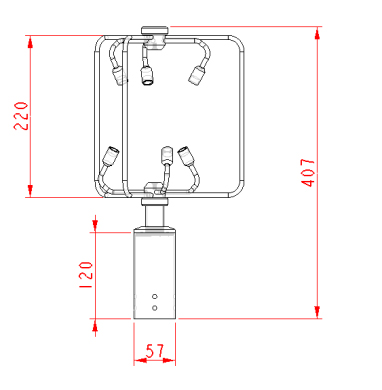
5. 3D Anemometer Structure Dimensions
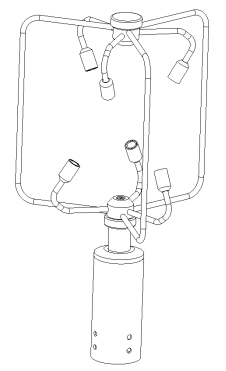
1. Structure diagram
2. Dimensions
The Fengtu Small Automatic Weather Station simultaneously conducts real-time monitoring of six core meteorological parameters: wind speed, wind direction, temperature, humidity, air pressure, and optical rainfall. The wind speed and direction sensors have a range of 0 to 60 m/s, with an accuracy of...
Highway visibility monitoring is a crucial part of ensuring road traffic safety. With the development of mobile Internet technology, the Road Weather Information System has achieved a functional leap from the computer terminal to the mobile phone terminal.The traditional computer - based monitoring...
Agricultural production is closely linked to the natural environment, which makes it relatively vulnerable to meteorological disasters. Firstly, the growth cycle of crops is long. From sowing to harvesting, they are exposed to the natural environment for a long time, and any encounter with meteorolo...
In agricultural production, diseases pose a serious threat to the growth of crops, which is related to both yield and quality. Spores play a crucial role in agricultural disease monitoring, and the Spore Catcher is a powerful tool for monitoring spores.Spores: The "Early Warning Signal" of...


 Get a Free Quote
 Skype
Skype
 whatsapp
 mail
mail