Shandong Fengtu IOT Technology Co., Ltd
Sales Manager:Ms. Emily Wang
Cel,Whatsapp,Wechat:+86 15898932201
Email:info@fengtutec.com
Add:No. 155 Optoelectronic Industry Accelerator, Gaoxin District, Weifang, Shandong, China


Sales Manager:Ms. Emily Wang
Cel,Whatsapp,Wechat:+86 15898932201
Email:info@fengtutec.com
Add:No. 155 Optoelectronic Industry Accelerator, Gaoxin District, Weifang, Shandong, China
time:2025-03-11 08:52:39 source:Weather Station viewed:515 time
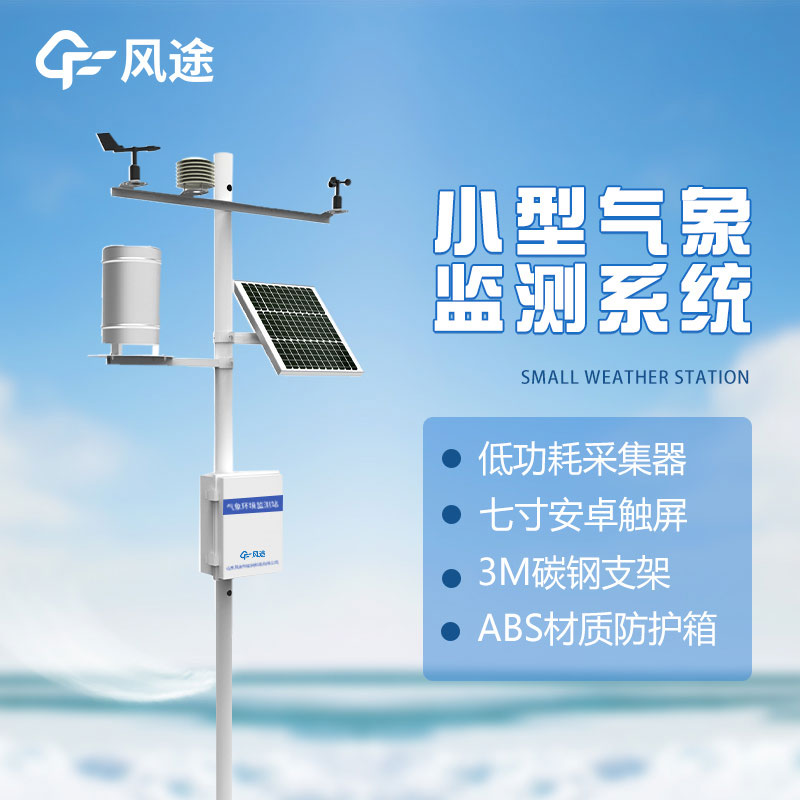
The six elements in Weather Instruments usually refer to air temperature, humidity, air pressure, wind speed, wind direction, and rainfall amount. The air temperature reflects the degree of hotness or coldness of the air and has a significant impact on agricultural production, human comfort, etc. Humidity indicates the water vapor content in the air and is related to the growth of crops, the spread of diseases, and so on. Air pressure is the atmospheric pressure acting on a unit area, and its changes are closely related to the movement of weather systems. Wind speed is the speed of air flow, while wind direction indicates the direction from which the wind blows. They are of great significance for wind power generation, the diffusion of pollutants, etc. The rainfall amount records the total amount of precipitation within a certain period of time and affects agricultural irrigation, flood disasters, etc.
In high-standard farmland demonstration areas, the data of these meteorological elements also have reference value for the rational arrangement of agricultural activities and the precise use of equipment such as solar insecticidal lamps. For example, temperature and humidity may affect the activity patterns of pests, thus influencing the trapping effect of insecticidal lamps.
To meet the meteorological monitoring needs of modern agriculture, Fengtu has launched the high-standard farmland six-element Weather Instruments.
Weather Instruments adopts a modular design and integrates the core meteorological element monitoring functions of temperature, humidity, air pressure, wind speed, wind direction, and rainfall amount. Based on fully digital sensors, the device supports users to customize the monitoring elements according to actual needs and can expand more meteorological parameters such as solar radiation and particulate matter. The modular design makes each sensor the minimum maintenance unit, ensuring the easy installation and maintainability of the device.
In addition, this weather station can be optionally equipped with a real-time video monitoring system. Through the rotating camera, users can view the real-time weather conditions and disaster information, and can set the automatic photo backhaul function as needed, providing visual data support for agricultural production. In terms of communication, the device supports multiple communication methods such as RS232/485, Ethernet, 4G/LoRa, etc., and has strong networking capabilities. Multiple weather stations can form a monitoring network to achieve data interconnection and interoperability, facilitating management departments to grasp the regional meteorological information in real time.
At present, this weather station has been put into use in multiple high-standard farmland demonstration areas. By providing accurate meteorological monitoring services, it not only helps with the scientific arrangement of agricultural activities but also provides data support for the optimized use of green prevention and control equipment such as solar insecticidal lamps. With the promotion and application of the device, it will further enhance the regional climate monitoring ability, provide higher-quality meteorological service guarantees for agricultural production, and contribute to the high-quality development of modern agriculture.
The price of wind-suction solar-powered insecticidal lamps fluctuates between 1100 yuan and 4000 yuan depending on the configuration, with a basic single-unit model around 2200 yuan. The equipment uses a 320-680nm multispectral insect-attracting light source and a wind-suction negative pressur...
The system consists of a tubular soil moisture monitor, pest monitoring lamps, a weather station, video surveillance, and a spore trapping device. It uploads soil, weather, pest, and seedling growth images to a cloud platform via a 4G network, enabling real-time dynamic monitoring and online d...
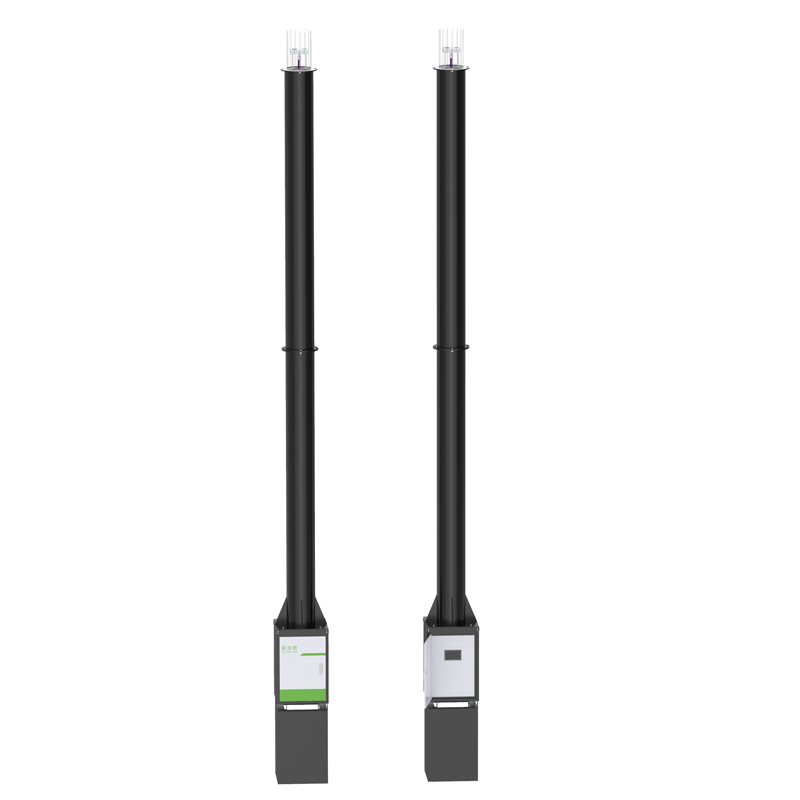
The Mechanical weather station is called "fixed" because this type of equipment is usually installed at specific locations, such as meteorological observation fields, airports, ports, high mountains, or remote areas, and will be permanently fixed at that position for meteorological observa...
The raindrop spectrometer is a high-performance meteorological sensor. Based on the principle of the attenuation of laser by precipitation particles, it can accurately measure parameters of precipitation particles (including liquid, solid and mixed states), such as diameter, velocity, and distributi...


 Skype
Skype
 whatsapp
 mail
mail