Shandong Fengtu IOT Technology Co., Ltd
Sales Manager:Ms. Emily Wang
Cel,Whatsapp,Wechat:+86 15898932201
Email:info@fengtutec.com
Add:No. 155 Optoelectronic Industry Accelerator, Gaoxin District, Weifang, Shandong, China


Sales Manager:Ms. Emily Wang
Cel,Whatsapp,Wechat:+86 15898932201
Email:info@fengtutec.com
Add:No. 155 Optoelectronic Industry Accelerator, Gaoxin District, Weifang, Shandong, China
time:2025-12-01 10:35:38 source:Weather Station viewed:390 time
The Atmospheric electric field meter is a scientific instrument specifically designed to measure atmospheric electric field strength and its variations. Its measurement range covers -100 kV/m to 100 kV/m. This device provides early warning of lightning activity by monitoring changes in the atmospheric electric field in real time. It has significant application value in aerospace, national defense, smart grids, petrochemicals, and meteorological observation, providing data support for disaster prevention and safe production.
The Atmospheric electric field meter is a professional detection device for measuring the intensity and temporal variation characteristics of the near-surface atmospheric electric field. Its core function is to identify abnormal conditions in the atmospheric electrostatic environment by continuously monitoring the value and polarity changes of the electric field intensity, providing early warning information for dangerous weather phenomena such as lightning. This instrument works based on the principle of electrostatic induction. When an electrostatic field exists in the atmosphere, the induction unit inside the instrument generates a corresponding electrical signal, which is then processed and analyzed to ultimately convert it into an electric field intensity value.
In terms of technical parameters, a typical Atmospheric electric field meter has a measurement range of -100 kV/m to 100 kV/m, where negative values represent the electric field direction pointing towards the ground, and positive values indicate the electric field direction pointing towards the sky. This range design covers various electric field intensities from clear skies to strong thunderstorms. High-performance electric field meters can achieve a measurement accuracy of ±1% and a sampling frequency of several times per second, ensuring that rapid changes in the electric field can be captured. The equipment usually adopts an all-weather design with a protection level of IP65 or higher, capable of adapting to various harsh outdoor environments.
The Atmospheric electric field meter plays an irreplaceable role in lightning warning. When thunderstorm clouds develop, charge separation in the clouds leads to significant changes in the ground electric field. Several minutes to tens of minutes before lightning strikes, the electric field meter can detect a continuous increase in electric field intensity. Combined with features such as electric field polarity reversal, it can issue early warning signals for lightning. This warning capability is crucial for ensuring safety in outdoor operations, sports events, and air transportation.
In the aerospace field, the Atmospheric electric field meter is widely used around airport runways. By deploying multiple electric field meters to form a monitoring network, the electrostatic environment changes in the airport area can be monitored in real time, providing a basis for safe decision-making for aircraft takeoffs and landings. When strong electric field signals are detected, air traffic control can adjust flight schedules in a timely manner to avoid operating in dangerous electrostatic environments. Similarly, at rocket launch sites, electric field monitoring is an important reference factor in selecting launch windows.
The petrochemical and smart grid sectors also rely on electric field monitoring data. Electric field meters installed in oil storage tank areas and chemical plant areas can provide early warnings of localized thunderstorm activity, giving decision-makers time to shut down operations in hazardous areas. Power grid operators use electric field data to adjust system operation methods and reduce transmission line failures caused by lightning strikes. In the field of scientific research, electric field monitoring provides long-term observational data for disciplines such as thunderstorm electricity and space physics.
Modern electric field monitoring systems typically consist of sensor units, data acquisition modules, communication units, and a data analysis platform. Sensors often employ rotating or vibrating electric field measurement techniques, avoiding the mechanical wear problems of traditional field mill designs. Data is transmitted to the monitoring center via wired or wireless means, combined with meteorological radar, lightning location, and other multi-source data, to form a complete lightning monitoring and early warning system. With the development of Internet of Things technology, distributed electric field monitoring networks are becoming a trend, improving the accuracy and timeliness of early warnings through multi-station data fusion.
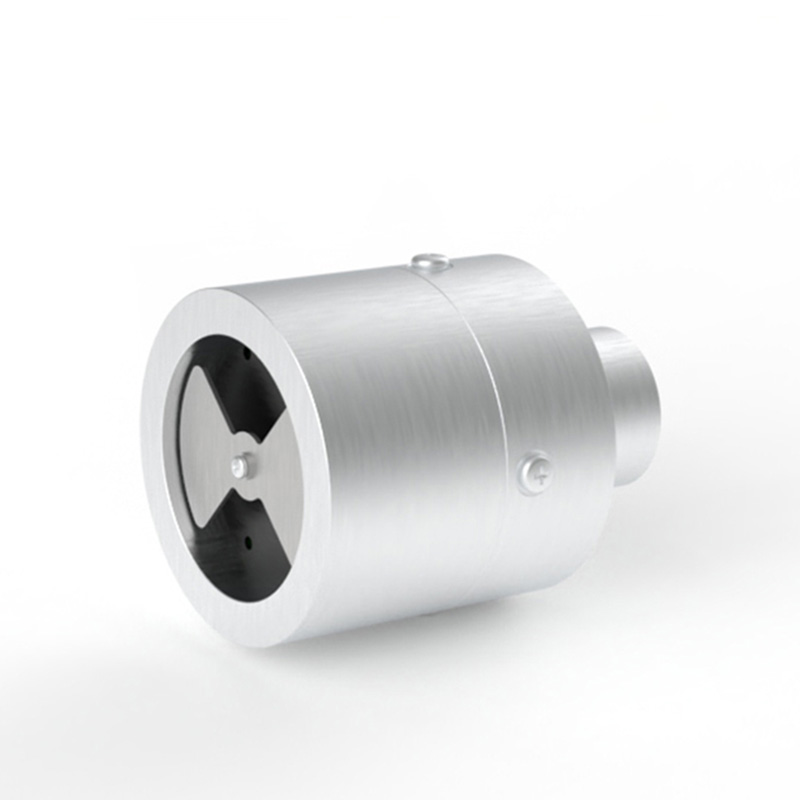
In tunnel operation and management, safety is of paramount importance. Visibility and the brightness conditions inside and outside the tunnel directly affect drivers' visual experience and traffic safety. Therefore, a series of professional detection instruments are applied in tunnels. Below, we...
In an era when tourism is booming, tourists are no longer satisfied with just beautiful scenery. They are paying increasing attention to the environmental quality of scenic spots, especially the air quality. Thus, the negative oxygen ion monitoring system has become an indispensable part of modern s...
The 50KM Visibility sensor is a measuring instrument in industries such as road traffic and meteorology. It uses the forward scattering method to measure the total extinction coefficient of the air and thus obtain accurate visibility data.This sensor uses an aluminum shell, which is anodized and pai...
In ecologically beautiful areas, such as forests, mountain streams, rivers, lakes, seas, and around waterfalls, people often feel that the air is particularly fresh. This is mainly due to the relatively high content of negative oxygen ions in the air in these places. Negative oxygen ions are oxygen...


 Skype
Skype
 whatsapp
 mail
mail